

Internal Loss Is Your Business’s Quiet Enemy — Here Is How to Stop It
This is not a headline event — a cashier caught with ₦500,000 in the till. It is a continuous accumulation of small, individually unremarkable acts: an unrecorded sale here, an unauthorised discount there, stock leaving through the back without being logged, overtime being claimed for hours not worked.
Understanding the Mechanism of Internal Loss

CCTV: The Deterrent and the Evidence
The Deterrent Function
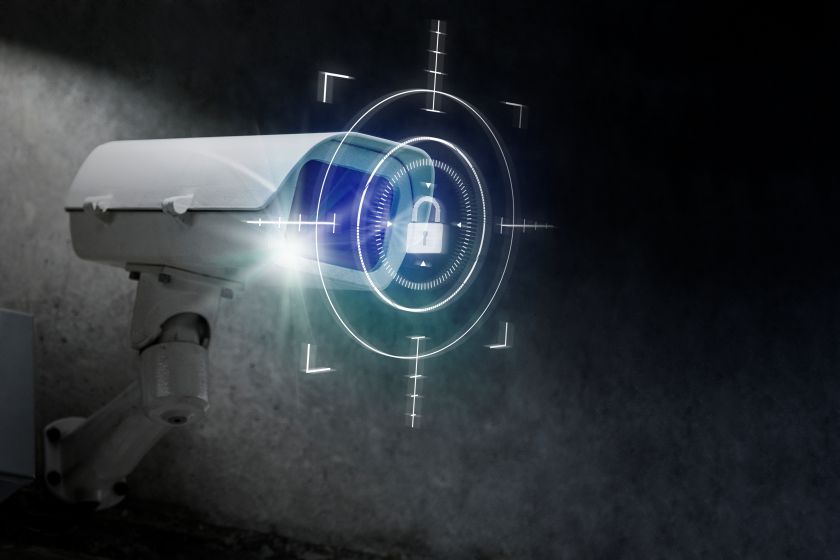
A visible, professionally installed camera system creates an environment in which every person present knows that their actions are being recorded. Research consistently shows that the knowledge of being observed significantly reduces the incidence of dishonest behaviour — not because everyone is a potential thief, but because the psychological calculus of risk changes when accountability is visible and consistent.
The Evidence Function
When something goes wrong — a disputed transaction, a missing delivery, a customer complaint, an after-hours security incident — the camera system provides a timestamped record of exactly what happened. This evidence serves the business in disputes, disciplinary processes, insurance claims, and any situation where the facts need to be established beyond dispute.
A Complete Accountability Infrastructure
- IP CCTV cameras — high-definition, covering all critical areas: till points, stockrooms, entrances, exits, and all service areas.
- Remote monitoring access — live and recorded footage accessible via mobile app, from anywhere, at any time.
- Biometric clocking — fingerprint or facial recognition producing an accurate, unfalsifiable attendance record for every staff member.
- Restricted zone access control — biometric authentication for stockrooms, server rooms, and management areas.
- POS integration — transaction data and camera footage linked by timestamp for rapid investigation of any data anomaly.
- Motion detection alerts — automatic notification when movement is detected in the premises outside of operating hours.
The Return on Investment
The investment in a complete surveillance and access control deployment is a one-time cost with ongoing returns. In businesses we have worked with, the reduction in measurable internal loss in the first year following deployment consistently exceeds the cost of the installation.
But the financial return, while real, is not the only return. The operational return — the clarity, the accountability, the confidence that what the data shows is what is actually happening — changes how a business is managed. Owners who previously spent significant mental energy worrying about what might be happening in their absence find that this concern diminishes substantially when they can verify the situation from their phone at any moment.
That peace of mind is not a luxury. For a business owner, it is infrastructure.